I don’t think AI is replacing creativity. But it is making one thing increasingly obvious: producing an image, layout or website was never the whole job.
The real work is deciding what deserves to exist, what it should say and why anyone should care.
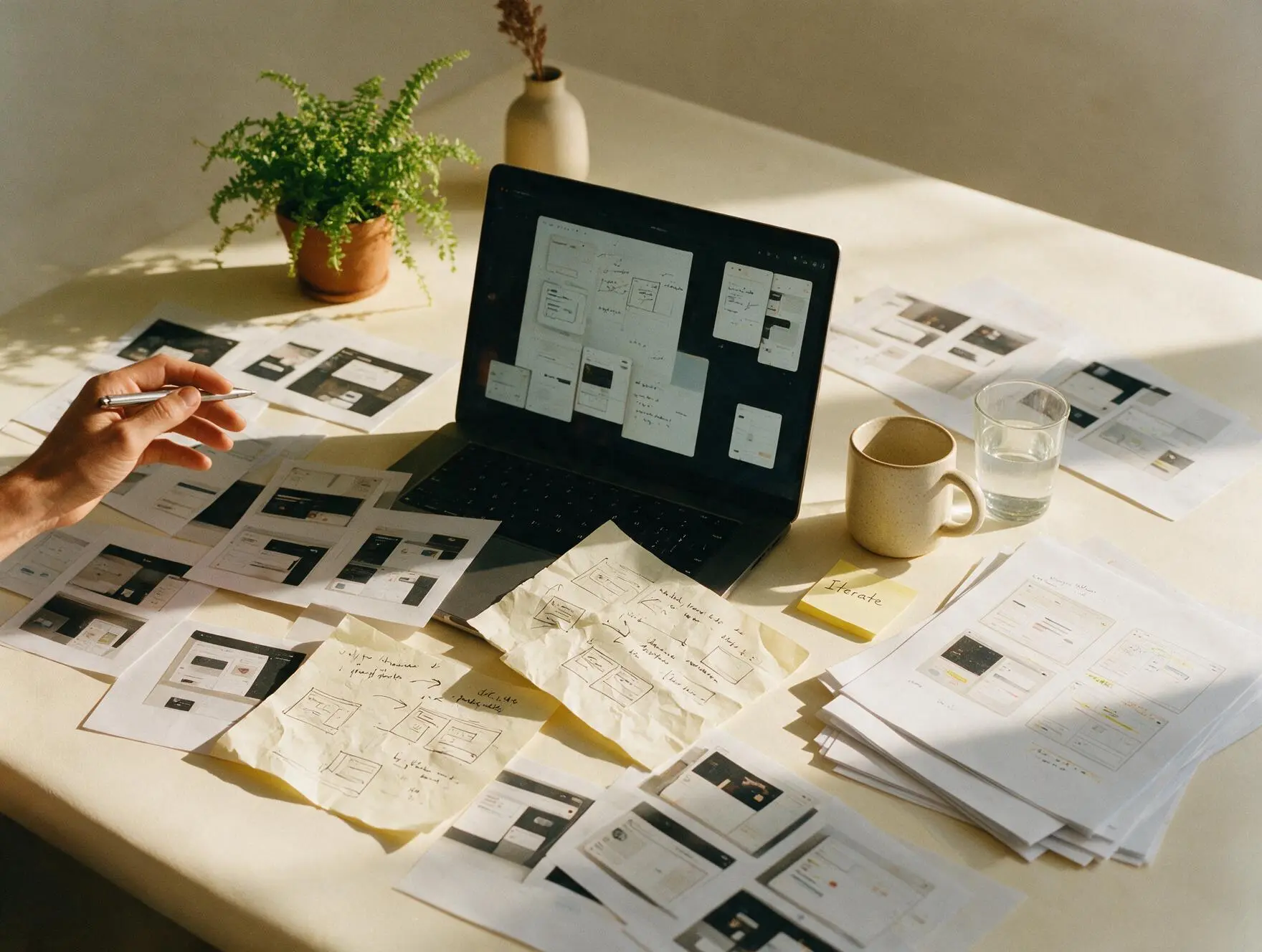
The speed was mildly offensive.
When I first introduced AI into my design process, it felt a little like cheating. Not because the output was finished. It rarely was. But an idea that might once have taken an afternoon to sketch could suddenly appear in twenty seconds.
The speed was thrilling. It was also mildly offensive.
There was something unsettling about watching the distance between thought and execution collapse so quickly. But I soon realised that faster output did not necessarily mean better work. AI could produce a polished-looking answer before I had properly understood the question.
And that is where the danger lives. Not in using the tool, but in accepting the first plausible thing it gives you.
The blank page got smaller.
What changed most was not how quickly I could finish. It was how many directions I could explore before committing to one.
I could test a strange visual metaphor, rewrite a clumsy headline or prototype a website that previously lived only in the overly optimistic part of my brain.
AI gave me something to react to. A shape to resist. A direction to push further or abandon completely.
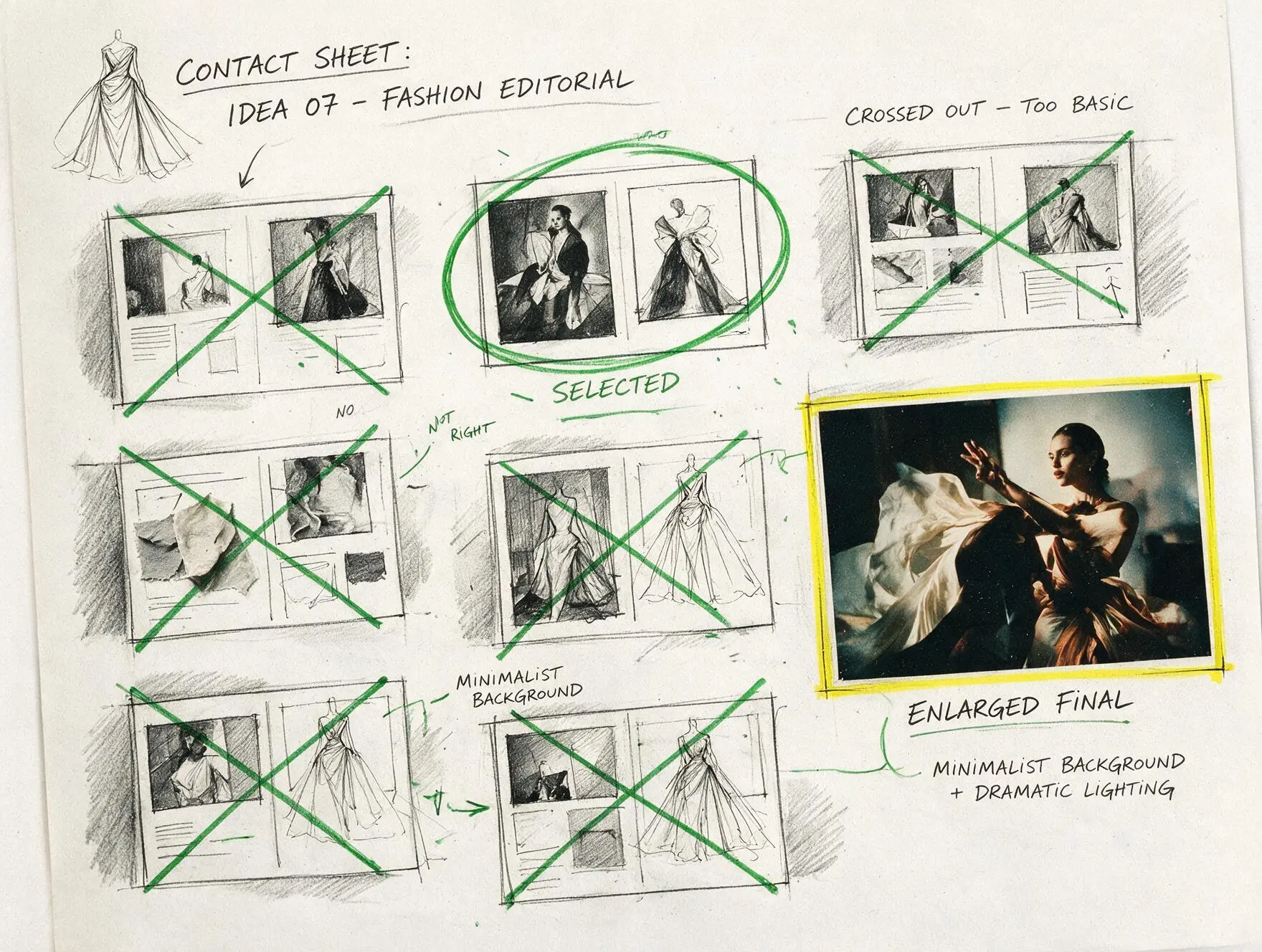
AI gives me more things to react to. Taste tells me what survives.
That distinction matters.
The tool has no taste.
Taste is not simply knowing what looks good. It is knowing what feels appropriate, what communicates clearly and what belongs to the person, brand or moment you are designing for.
AI can recognise patterns and generate endless variations of them. What it cannot do is care which one feels true.
It does not know when an idea is technically correct but emotionally empty. It cannot feel when a layout needs more breathing room or when one imperfect detail is the very thing giving the work its character.
That responsibility still belongs to the designer: observing, questioning, editing, resisting and choosing.
More options are helpful. More options are not the same as better decisions.
Vibe coding is still design.
Not because every generated interface is good. Many are impressively beige.
But defining the experience, naming the problem, shaping the hierarchy and knowing when something finally feels right? That is design work.
The syntax changed. The responsibility did not.
Vibe coding has allowed me to build ideas I might once have left sitting quietly in a notebook. But generated does not automatically mean considered, and functional does not automatically mean meaningful.
If anything, having more ways to make things increases the need for judgment. Someone still has to decide what the thing is for.
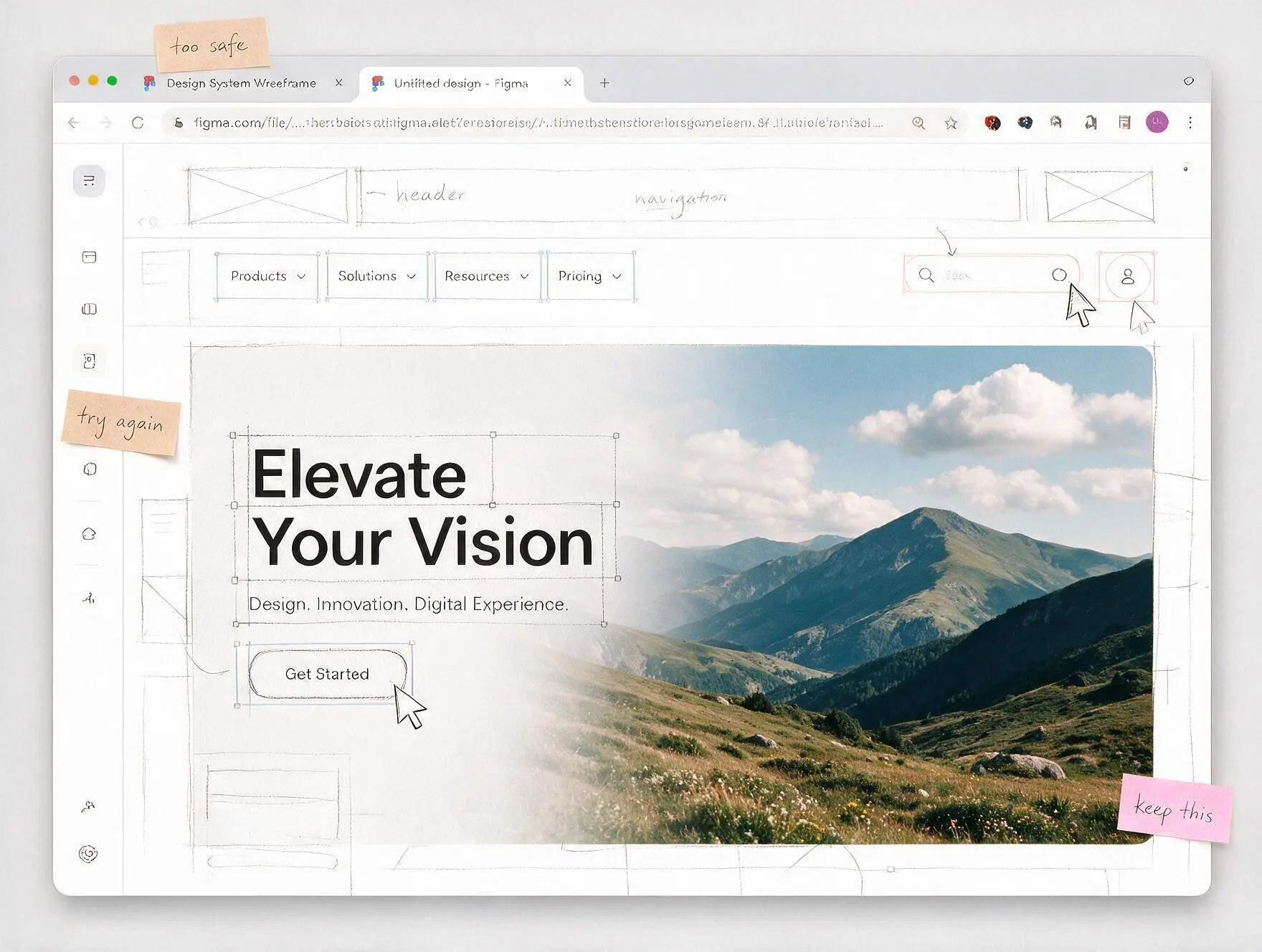
Protect the point of view.
So yes, I use AI. Openly. Curiously. With one eyebrow raised.
I want it to make me more experimental, not more generic. I want it to expand what I can explore without polishing away the human fingerprints that make the work feel like mine.
The goal was never to protect the struggle simply because creativity is supposed to be difficult. It was to protect the thinking, care and point of view behind the outcome.
I don’t need AI to make me look more creative.
I want it to help me reach further without disappearing from my own work.